
Category: Christology
-
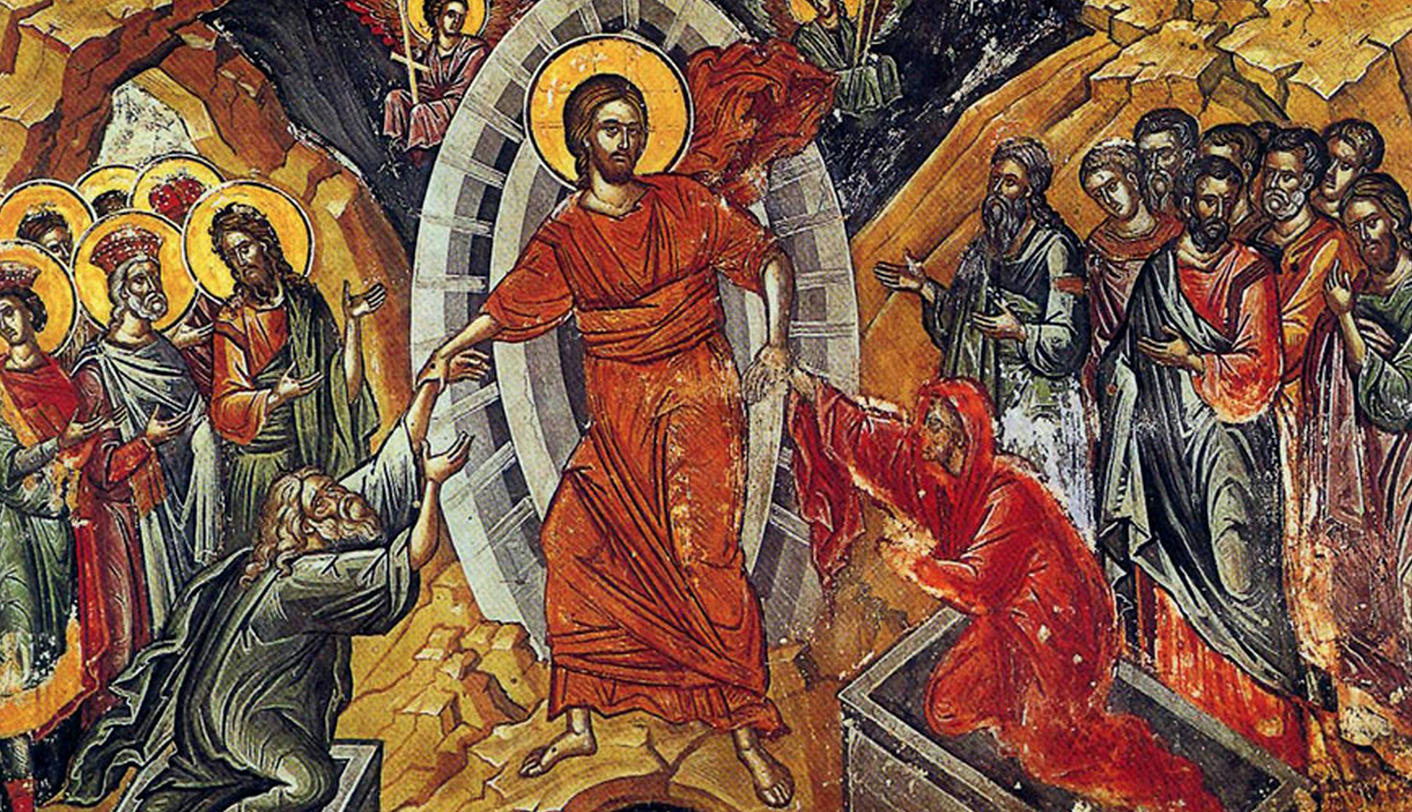
Coming From Christ
Read more: Coming From ChristI started a new job working as a high school humanities teacher for a public charter school the second week of July. As one of many new teachers coming into the charter school network, I have spent the last two weeks sitting through orientation lectures and training seminars. Between sessions on “Student Engagement” and “Discussion…
-
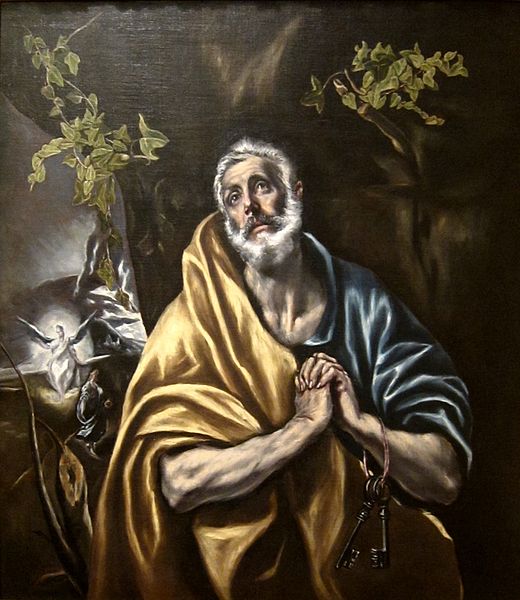
Christ the Cornerstone of Christian Hope: Theological Reflections from 1 Peter 2:4-10
Read more: Christ the Cornerstone of Christian Hope: Theological Reflections from 1 Peter 2:4-10In the Gospel of St. John, Jesus warns his disciples that those who persecute him will likewise persecute those who believe in him (Jn. 15.20). The encouragement and consolation penned to the recipients of 1 Peter deem these prophetic words true. While the details of their adversity are unclear, 1 Peter addresses the Christian communities…
-

Advent and the Meaning of Life
Read more: Advent and the Meaning of LifeChristmas and the days leading up to it, otherwise known as advent, have profound implications for our everyday experience. The incarnation infuses meaning into a humanity lost in a void of meaninglessness. It has certain clear ethical implications, as well as direction for reflections on place and vocation. Lastly, it musters up an incarnational ideology…
-
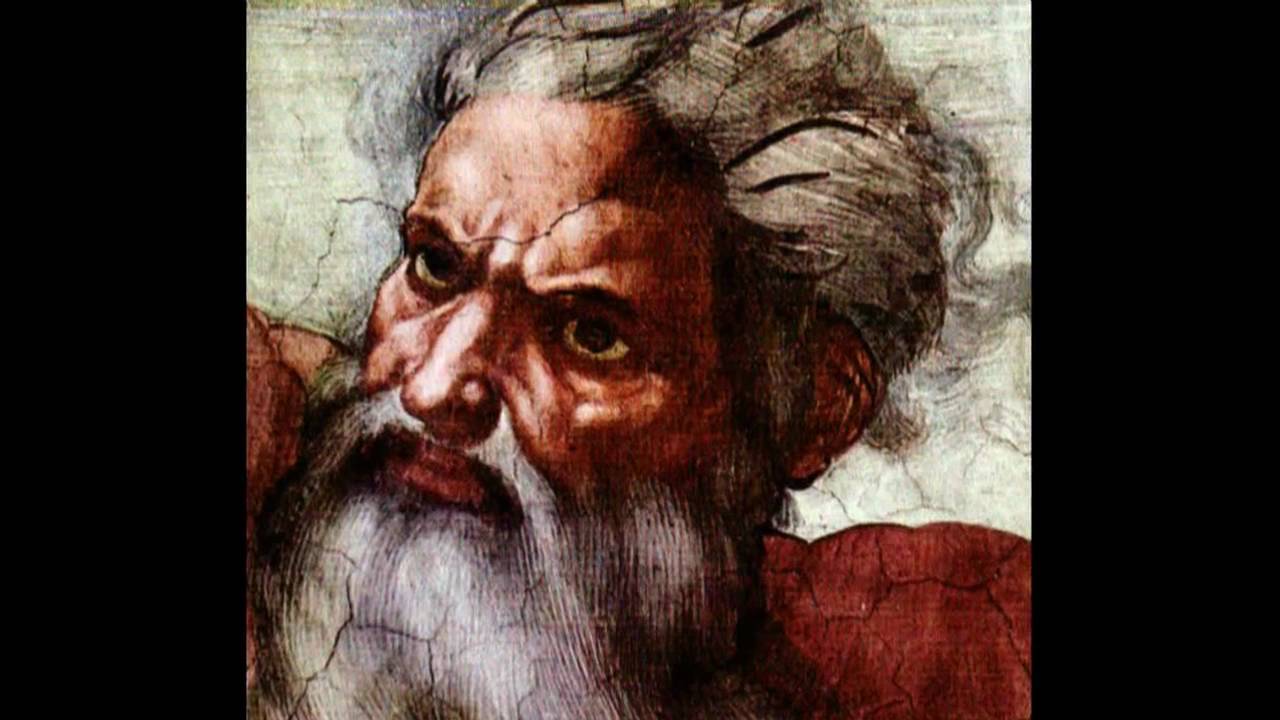
Our Evil God
Read more: Our Evil GodEvil things happen in this world, and yet God is still somehow sovereign. This is perhaps the hardest part of Christian theology to accept and understand. How is God sovereign over the persecution of Christians around the world, over the acts of ISIS, over world hunger and poverty, or over smaller evils like my own depression,…
-
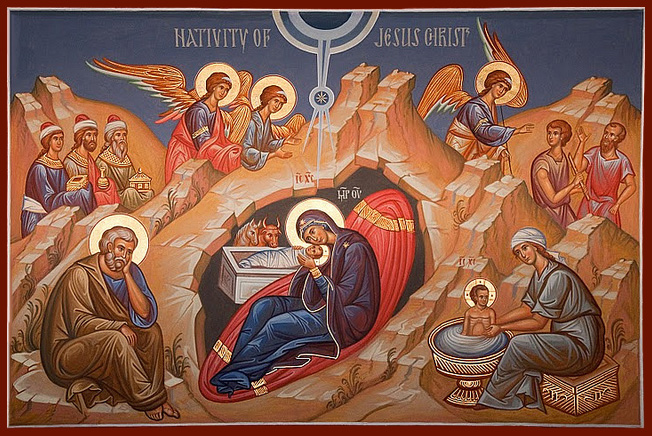
The Eternally Incarnate Word
Read more: The Eternally Incarnate WordTheology is the church speaking Jesus Christ to itself. Before I risk heresy in nuancing a fundamental doctrine, it is helpful to remind myself that the economy of God’s revelation in Jesus Christ as the crucified and resurrected Lord, along with the Bible’s perfect witness to that revelation, serve as our perfect guide regarding theological…
-

The Word and Their Words: How to Listen to Speeches Theologically
Read more: The Word and Their Words: How to Listen to Speeches TheologicallyTheology and language are inseparable. Theology is speech about God, and this speech is linguistic and therefore culturally defined. Languages, particularly those of civilizations with imperial and colonial histories, are the words of the most affluent and well-to-do. (This is why words like ‘suwanne’ and ‘purdy’ are not found in the OED). Words of conquered…
-

Rule of the Community, the Prophet, and the Two Messiahs
Read more: Rule of the Community, the Prophet, and the Two MessiahsIn the Qumran text Rule of the Community it states, “They shall be judged by the first judgements in which the men of the Community began to be instructed, until the coming of the prophet and the Messiahs of Aaron and Israel” (1QS 9.10–11).1 We have here “the locus classicus for Qumran messianism.”2 Although this…
-
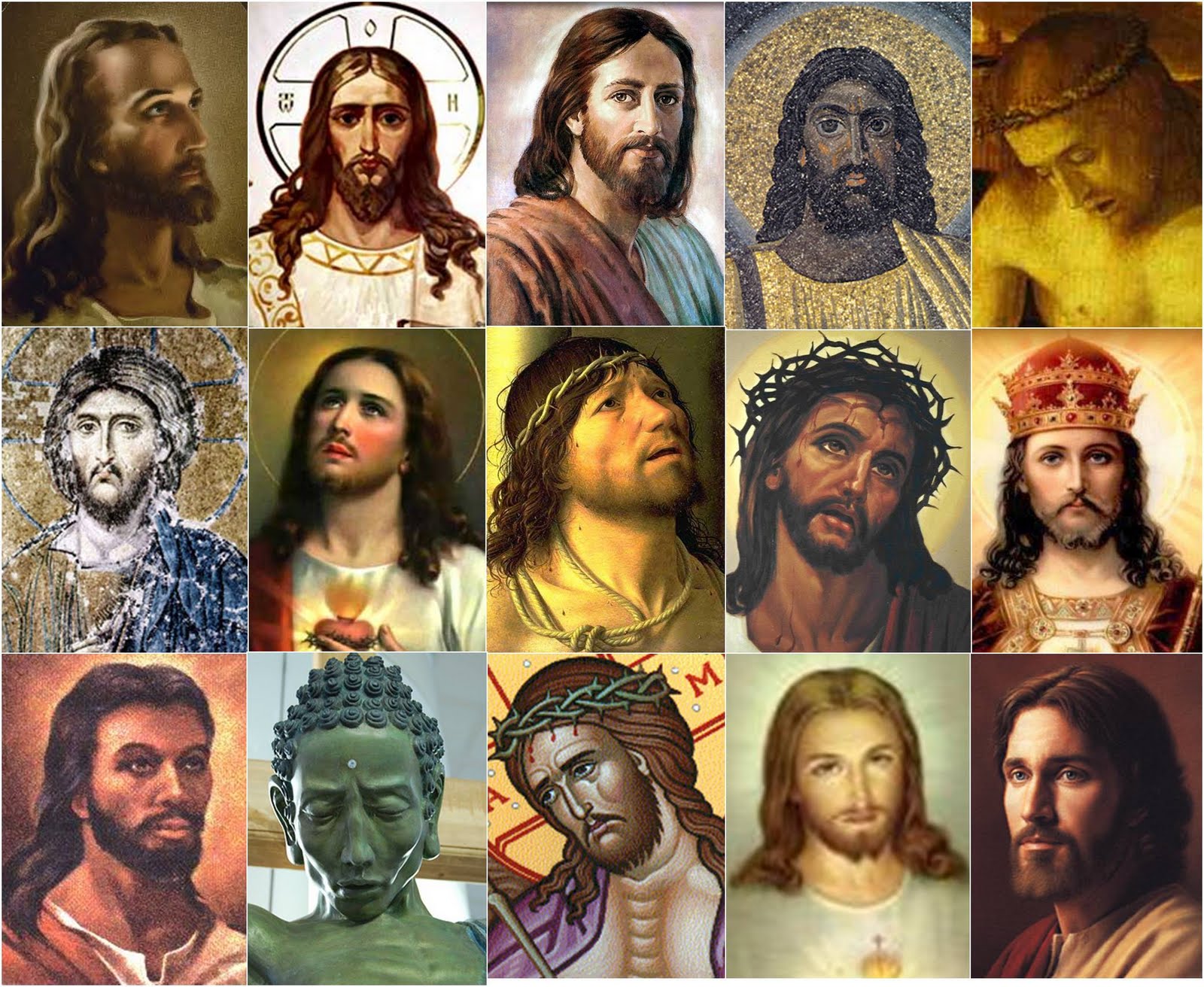
Domesticated Jesus and Highlighter Christianity
Read more: Domesticated Jesus and Highlighter ChristianityLesslie Newbigin tells an illuminating story about his time as a foreign missionary to India. In the Hindu Ramakrishna monastery, there is a gallery of portraits of the great religious teachers of humankind. Among them is a portrait of Jesus at which worship is offered every Christmas Day. Lest anyone mistake this worship for a…
-
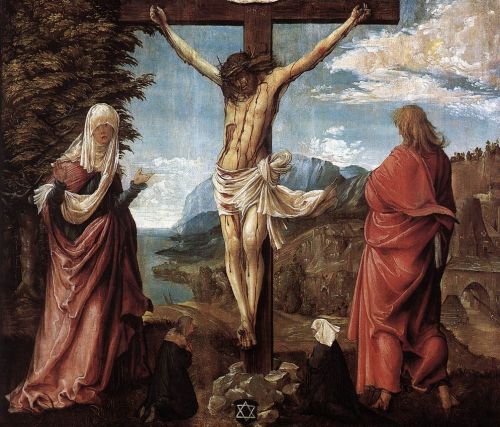
Death Is Common, But Not Forever
Read more: Death Is Common, But Not ForeverQUEEN “Thou know’st tis common, all that lives must die, Passing through nature to eternity” HAMLET Ay, madam, it is common. Hamlet, Act I, Scene II As Hamlet reflects upon the death of his father, he mourns the brevity of life and the painful triviality of death. We too feel this as we survey what…
-

Jesus, Mr. Nice God
Read more: Jesus, Mr. Nice GodWas Jesus always nice? OK, so it’s not the deepest theological question we’ve ever tackled here at The Two Cities. But it’s an important one. Because, above all, the world expects Christians to be nice. Forget about holiness, evangelism and social justice. Just be nice. But if Christians bear any resemblance to Christ (and we…