
-

What The Poet’s Dog Has to Say
Read more: What The Poet’s Dog Has to SayIt’s no secret that some of the best books are children’s books. A few weeks ago, I was asked: “If someone were to really get to know you, what three books (besides the Bible) would they really need to read?” (Great conversation question, right?) My husband and I tried to answer for each other to…
-
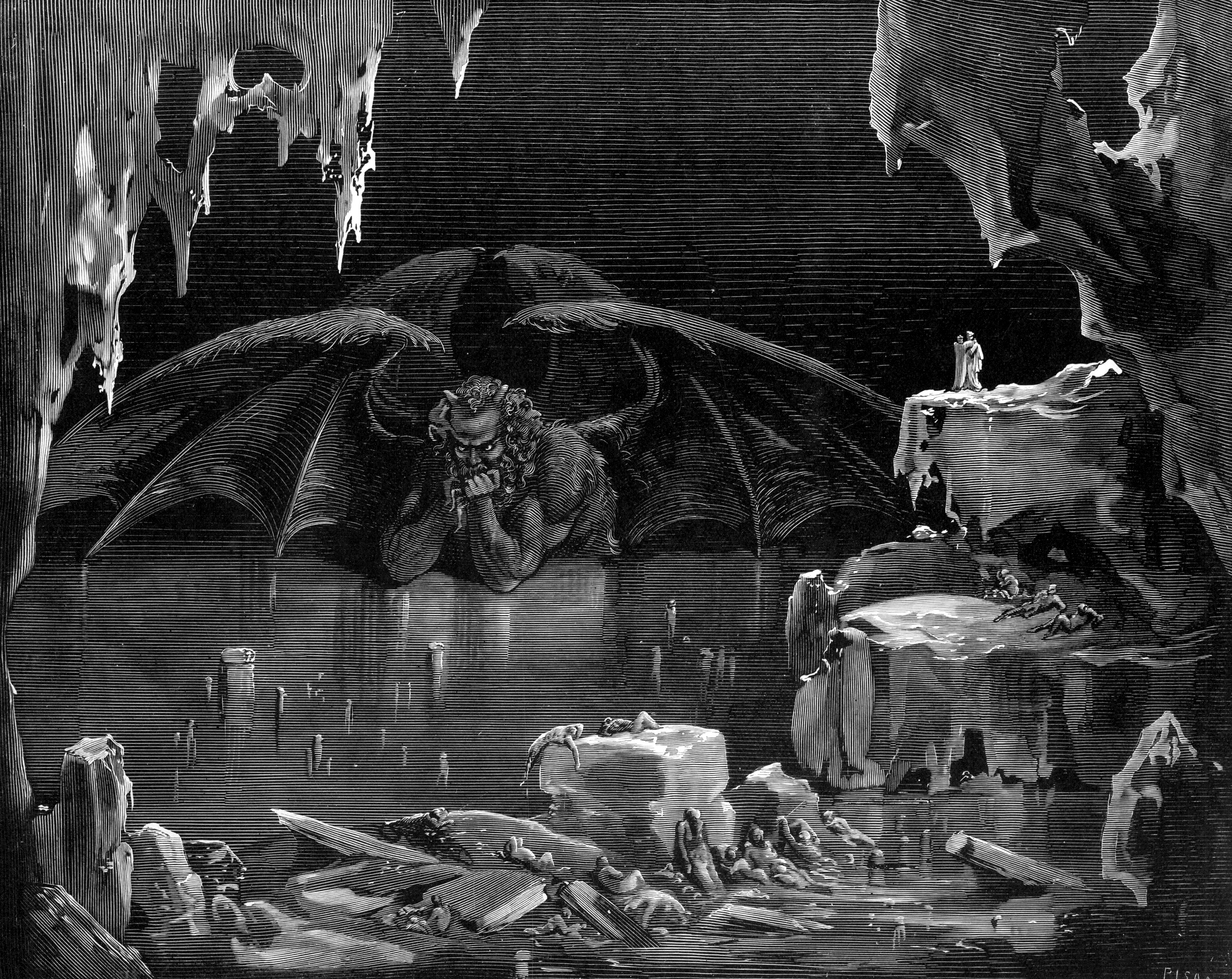
Pray Hell Suffers
Read more: Pray Hell SuffersWe should pray that those in hell suffer to the uttermost. Dante’s Inferno provides a glimpse into the historical theology of hell in a particular medieval iteration. One of Dante’s many points is that God’s judgment precipitates in the idea of contrapasso–the punishment resembles or contrasts with the sin itself. The main idea with contrapasso is the φύσιν (physin), or…
-
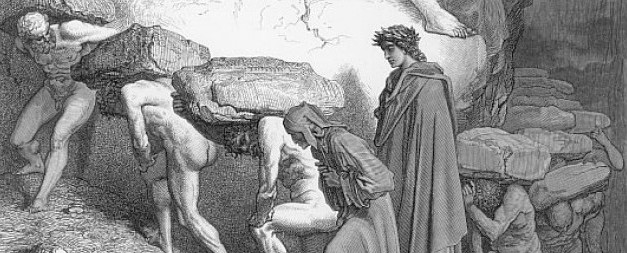
Sanctifying Art: Dante’s Pilgrim on the Terrace of Pride
Read more: Sanctifying Art: Dante’s Pilgrim on the Terrace of PrideHaving emerged from the bowels of Hell, Dante and his guide find themselves upon the shores of the fresh and uncharted territory of Purgatory, a mountain surrounded by sea and pure air free from the stench and darkness of the Inferno. From the opening lines of Purgatorio, the poet distinguishes this place as God-graced: the…
-
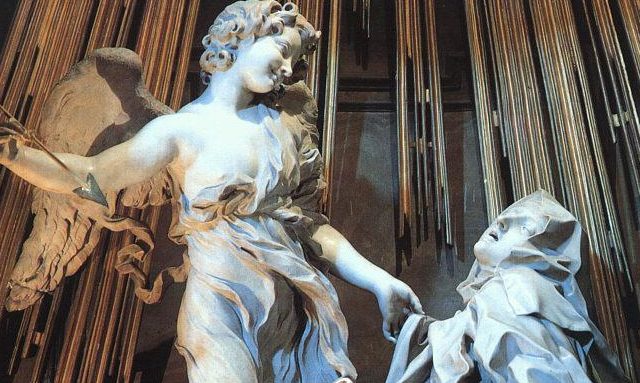
Weighing Words: The Metaphor of Gravity
Read more: Weighing Words: The Metaphor of GravityAs a student devoted to the intersection of theology and literature I’m always assessing ways in which literature accomplishes theological work and how theological thought appears in literary form. Most often these points of conversion occur by means of metaphor. To refresh your memory, metaphor is a kind of comparison in which one thing is…
-
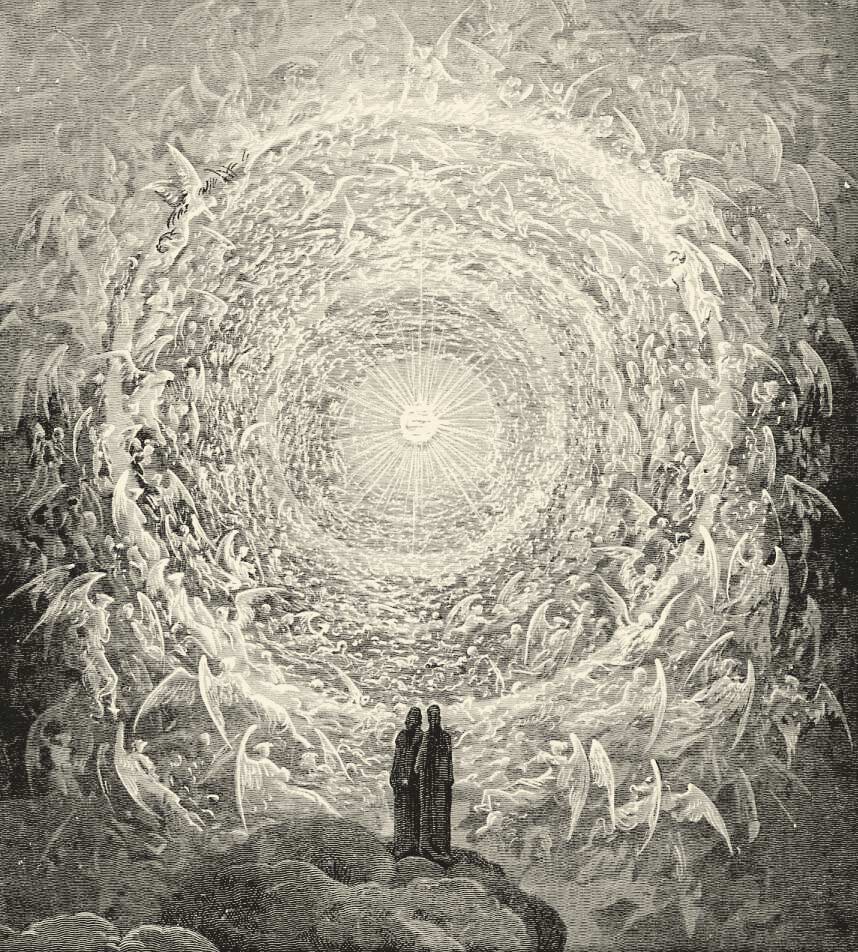
Practicing “Lively Hope”: Providence and Possibility in Dante’s Paradise
Read more: Practicing “Lively Hope”: Providence and Possibility in Dante’s ParadiseOur imaginings of the afterlife often include getting answers to questions the knowledge and experience of the world couldn’t answer. Likewise, the pilgrim of Dante Alighieri’s Divine Comedy seeks out heavenly wisdom to satisfy his own burning question: How is God just if people who never received knowledge of Christ’s salvation or the opportunity for…