
Category: Biblical Studies
-

Review of Andrew K. Boakye, Death and Life: Resurrection, Restoration, and Rectification in Paul’s Letter to the Galatians
Read more: Review of Andrew K. Boakye, Death and Life: Resurrection, Restoration, and Rectification in Paul’s Letter to the GalatiansDeath and Life is the published PhD Thesis of Andrew K. Boakye (PhD, University of Manchester), who is currently Lecturer in Religions and Theology at the University of Manchester. I was first introduced to Dr. Boakye’s research at the 2012 Galatians & Theology Conference held at my alma mater (University of St Andrews), where he gave a…
-
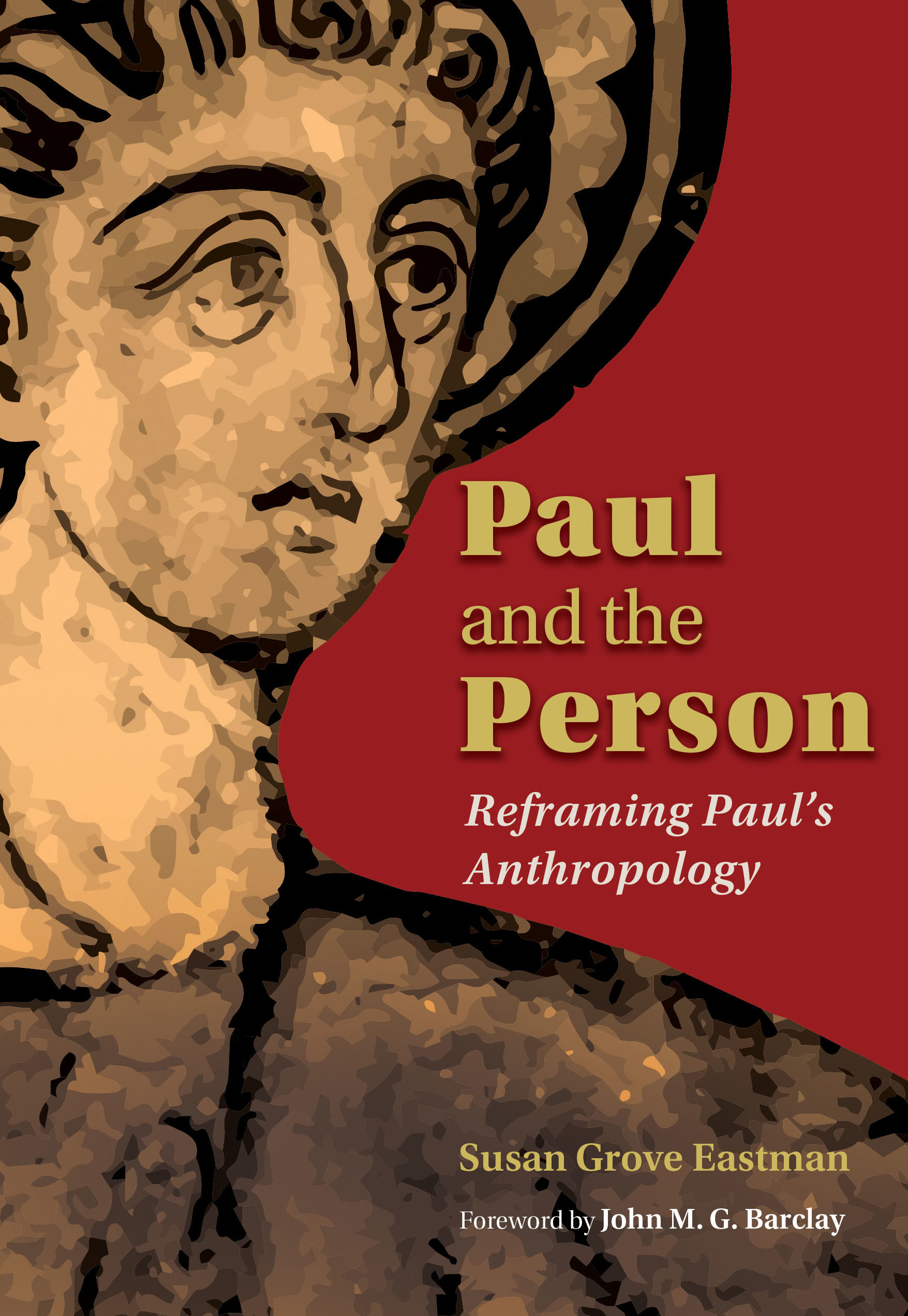
The Participatory Anthropology of 1 Corinthians: Reflections on Susan Eastman’s Paul and the Person
Read more: The Participatory Anthropology of 1 Corinthians: Reflections on Susan Eastman’s Paul and the PersonReading through Susan Eastman’s wonderful little study Paul and the Person over Christmas break has afforded me a chance to re-examine the kind of anthropology Paul takes for granted in his first letter to the Corinthians. The task of reevaluating traditional concepts of anthropology as a whole is enjoying something of a moment in biblical…
-
Advice To Those Considering Biblical Academia
Read more: Advice To Those Considering Biblical AcademiaIf you’re considering the path of Biblical and/or Theological academics, there are some things to consider. For now, I’m only going to consider the academic climate in context of an evangelical church climate. There will be conflict that will be difficult to navigate. It is important to understand the role of biblical academics in the…
-
Help Volodya from Ukraine study in Australia
Read more: Help Volodya from Ukraine study in AustraliaI recently taught a week-long intensive on Galatians at Zaporozhye Bible Seminary in Ukraine. The entire class was conducted in Russian, so I had a translator for all of my lectures (as well as for preaching and doing devotionals). My main translator was a Ukrainian named Volodya Lavrushko who is a Greek instructor at the…
-
The Greek New Testament (Cambridge/Crossway edition): I Like Big “Buts” & I Can’t Elide
Read more: The Greek New Testament (Cambridge/Crossway edition): I Like Big “Buts” & I Can’t ElideMy first exposure to The Greek New Testament published jointly by Cambridge University Press and Crossway was at the recent SBL conference in Boston (if you’re interested in all of its unique features, methodology, rationale, etc, you can check out a little explanation here; similarly, here is a detailed blog that addresses several issues surrounding the…
-
Four Reasons to Stop Using BestCommentaries.com
Read more: Four Reasons to Stop Using BestCommentaries.comCommentaries, like any books, can be good or bad though it can be hard to articulate why we feel some commentaries are better than others. I think that’s because we all assume that commentaries should be doing something, but we aren’t sure exactly what that something is. In general, I think some people would agree that commentaries attempt five…
-
Haggai and the Expectation of the Experience of God’s Presence: Part 3
Read more: Haggai and the Expectation of the Experience of God’s Presence: Part 3In my previous blog posts on Haggai, I discussed a few of the different expectations that the people of Israel held concerning the presence of Yahweh as they followed his command to rebuild the Temple in Jerusalem. Their expectation for Yahweh to show up in a powerful way upon the Temple’s completion and dedication, an…
-
The Best Commentaries on Luke
Read more: The Best Commentaries on LukeSince my thesis topic has me flipping through dozens of Luke commentaries each week, I thought I’d write a post on which commentaries are most helpful to me and why. Commentaries have five basic jobs: (1) give the reader a better historical understanding of the world in which the text was produced and (2) in…
-
Haggai and the Expectation of the Experience of God’s Presence: Part 2
Read more: Haggai and the Expectation of the Experience of God’s Presence: Part 2In a previous blog post on Haggai, I discussed one of the expectations the people of Israel held concerning Yahweh’s (the personal name of God) powerful action on their behalf, an expectation that included their current state of economic affairs. Upon the obedience of his command to rebuild the Temple, they expected to participate, once again,…
-
Faith and Love: The Inconvenient Truth About a “Personal Relationship With God”
Read more: Faith and Love: The Inconvenient Truth About a “Personal Relationship With God”How’s your relationship with God? It’s a question many Christians and religious people ask of each other. When I answer this question over the years, I typically work my way through the same cluster of questions—am I praying and spending private time with God, am I avoiding certain sins, am I maturing in my likeness to…